 Alfa Romeo Giulietta
 Alfa Romeo Giulietta
 Alfa Romeo Giulietta
 Alfa Romeo Giulietta
 Alfa Romeo Giulietta
Until the 1980s, Alfa Romeos, except for the Alfasud, were rear-wheel-drive.
According to the current Fiat CEO Sergio Marchionne in order to reap economies of scale, all new Alfa Romeo models will be made from the same basic platform (i.e., frame). Even Maserati will share components with some Alfas.[43]
Quadrifoglio badge on the Alfetta 159
Cloverleaf, or Quadrifoglio, badges denote high-end in comfort and engine size variants of Alfa Romeo cars, but previously denoted Alfa Romeo racing cars in the pre-Second-World-War era. The image first appeared in 1923 when Ugo Sivocci presented one prior to the start of the 14th Targa Florio as a good luck token to the team. This became the symbol of competition Alfas, denoting higher performance. Some modern Alfas wear a cloverleaf badge which is typically a green four leaf clover on a white background (Quadrifoglio Verde), but variants of blue on white have been recently observed as well.
The Alfettas of the early 1980s had models available sold as the "Silver Leaf" and "Gold Leaf" (Quadrifoglio Oro). These models were the top of the range. Badging was the Alfa Cloverleaf in either gold or silver to denote the specification level. The Gold Leaf model was also sold as the "159i" in some markets, the name in homage to the original 159.
The trim levels (option packages) offered today on the various nameplates (model lines) include the lusso ("luxury"), turismo ("touring"), and the GTA (gran tourismo alleggerita) ("light-weight grand tourer"). The GTA package is offered in the 147 and 156 and includes a V-6 engine. In the past, Alfa Romeo offered a Sprint trim level.
During the 1990s, Alfa Romeo moved car production to other districts in Italy. The Pomigliano d’Arco plant produced the 155, followed by the 145 and the 146, while the Arese plant manufactured the 164 and new Spider and GTV. The 156 was launched in 1997, and became quite successful for Alfa Romeo; in 1998 it was voted “Car of the Year”. The same year a new flagship, the 166 (assembled in Rivalta, near Turin) was launched. At the beginning of the third millennium, the 147 was released, which won the prestigious title of “Car of the Year 2001”. In 2003 the Arese factory was closed.
The Arese factory today hosts almost nothing and is nearly abandoned. What remains are some offices and the great Alfa Romeo Historical Museum, a must-see for Alfa Romeo fans.
In the 60s, the main Alfa Romeo seat was moved from inside Milan to a very large and nearby area extending over the municipalities of Arese, Lainate and Garbagnate Milanese. However, since then the Alfa seat is known to be in Arese, since the offices and the main entrance of the area are there.
In the late 1960s, a number of European automobile manufacturers established facilities in South Africa to assemble right hand drive vehicles. Fiat and other Italian manufacturers established factories along with these other manufacturers, Alfa-Romeos were assembled in Brits, outside of Pretoria in the Transvaal Province of South Africa. With the imposition of sanctions by western powers in the 1970s and 1980s, South Africa became self-sufficient, and in car production came to rely more and more on the products from local factories. This led to a remarkable set of circumstances where between 1972 and 1989, South Africa had the greatest number of Alfa Romeos on the road outside of Italy. Even stranger, Alfa Romeos Brits plant was used in 1984-85 to build Daihatsu Charades both for local consumption but also for export to Italy, to skirt Italian limits on Japanese imports.
In late 1985, with the impending Fiat takeover and an international boycott of the South African Apartheid government, Alfa Romeo withdrew from the market and closed the plant. After the plants closing, literally tons of valuable parts were bulldozed into the ground to escape paying import duties.


 Hot Cars
 Hot Cars
 Hot Cars
 Hot Cars
 Hot Cars
 Hot Cars
 Hot Cars
 Hot Cars
 Hot Cars
 Hot Cars
 Hot Cars
 Hot Cars
 Hot Cars
 Hot Cars
 Hot Cars


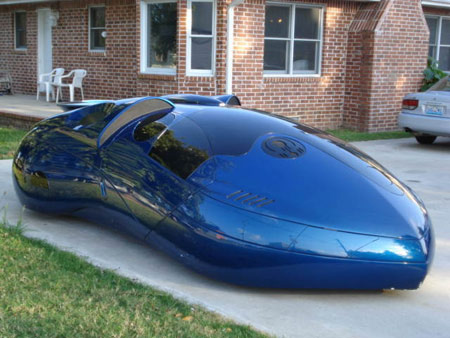
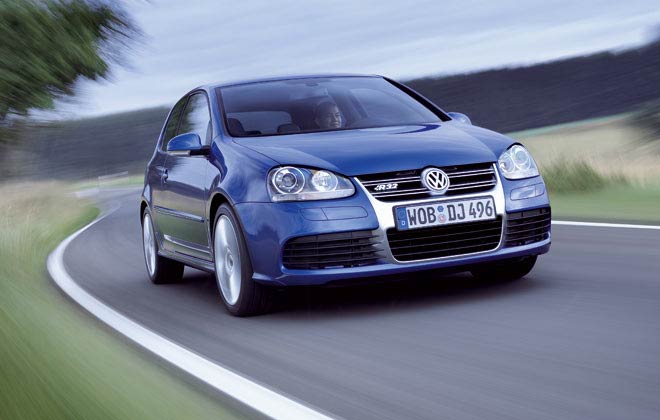
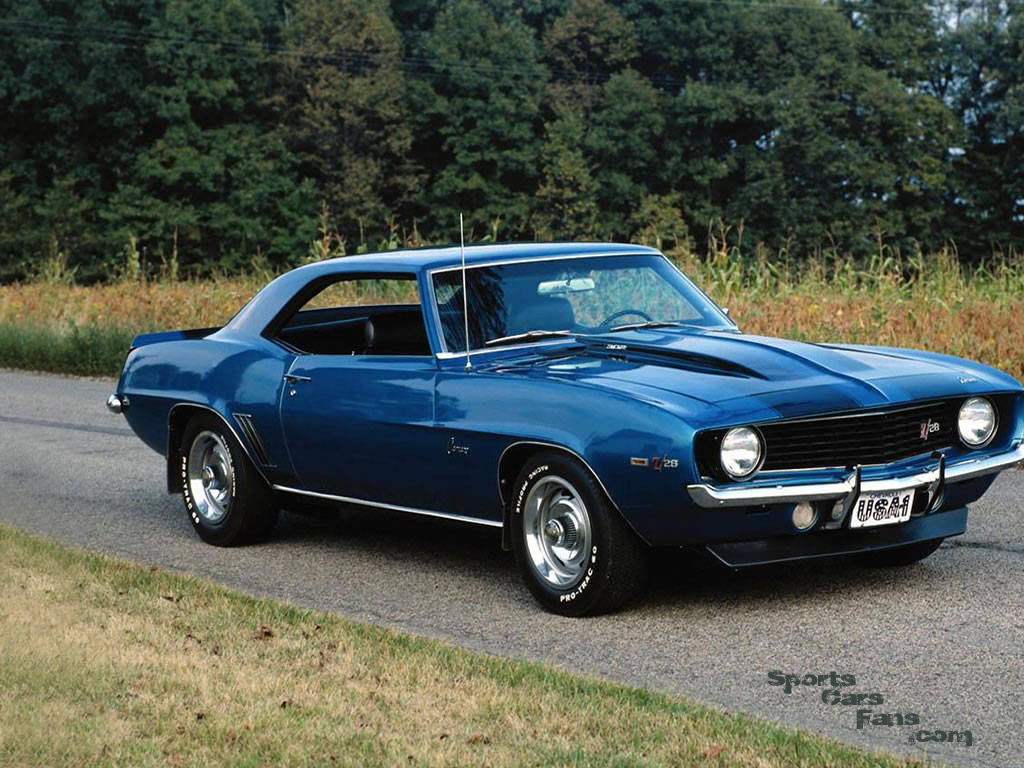
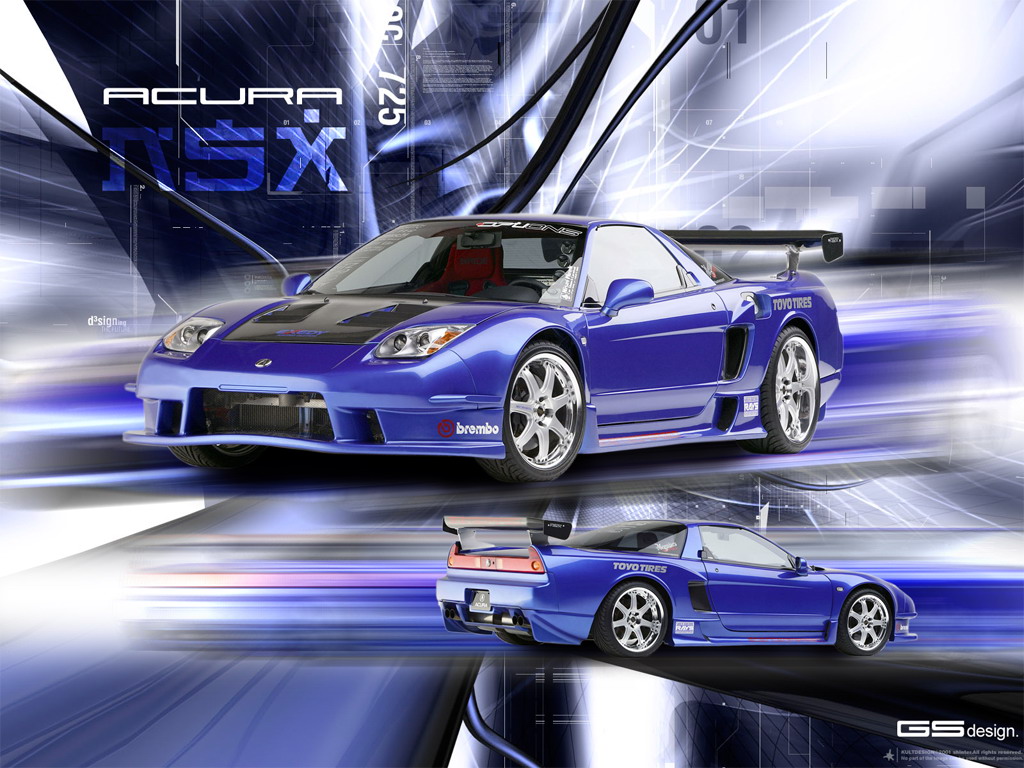 Cars Reviews Gallery

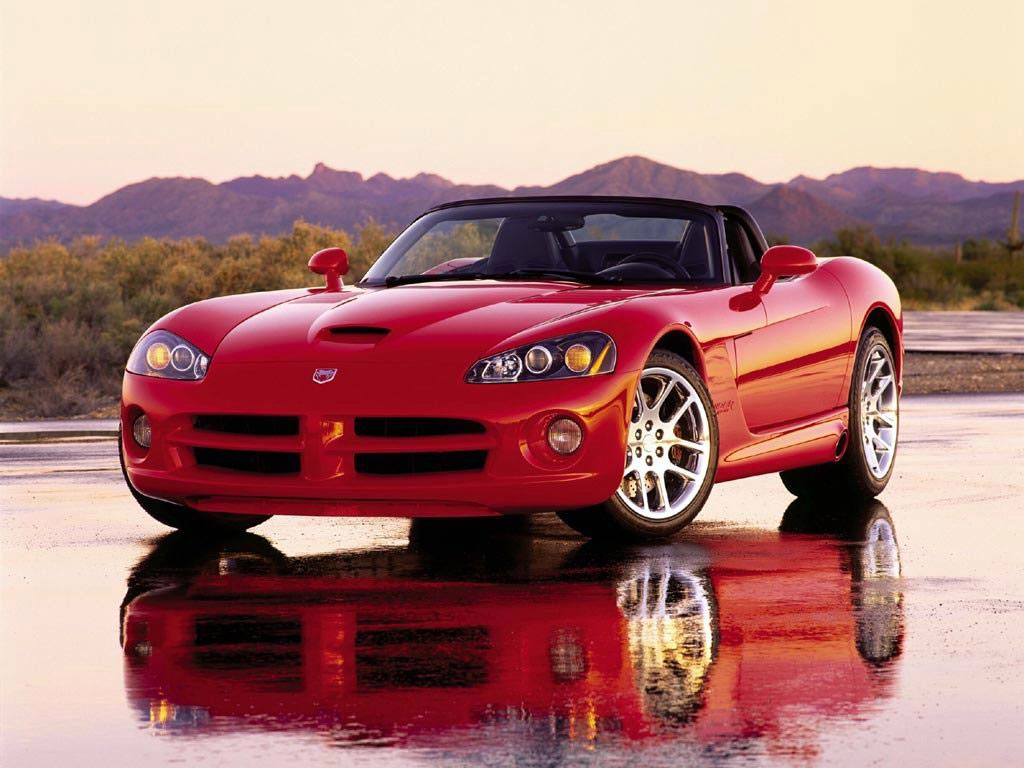


 Farari Cars Wallpapers And Photo
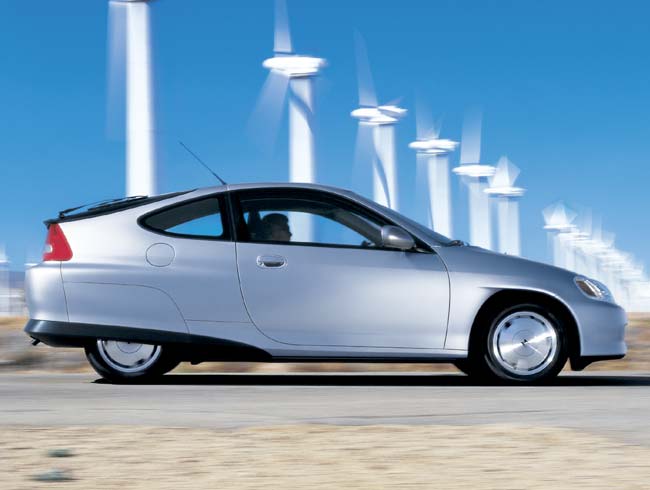

 The term hybrid is generally used to describe a car, sports utility vehicle (SUV), truck, or bus that has a conventional internal combustion engine operating on either gasoline or diesel fuel as well as an electrical system to assist in the deceleration and acceleration of the vehicle. During a normal deceleration, the electrical generator is activated when the brake pedal is applied to slow the vehicle and store the energy in an onboard bank of batteries. This is called regenerative braking. Hard braking applies the standard mechanical brakes as well. The system then draws upon this stored energy during acceleration. The batteries have a very limited capacity; therefore, descending down a mountain road will not provide enough stored energy to climb back up the other side. The electrical system does not charge the batteries when coasting to a stoplight, as many people do to improve fuel mileage. The electrical system is more beneficial for people who drive aggressively with "jack rabbit" starts and stops. Pictured is a 2006 Honda Insight. Click the image to see an enlargement.

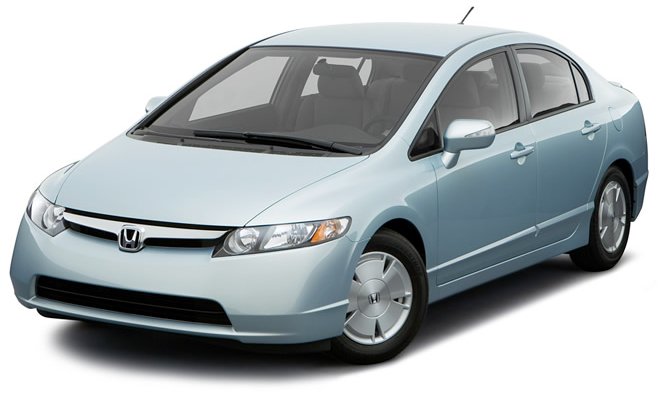 Hybrid Cars Gallery
 Aston Martin DBS
 Aston Martin DBS
 Aston Martin DBS
 Aston Martin DBS
 Aston Martin DBS
 Aston Martin DBS
 Aston Martin DBS
 Aston Martin DBS
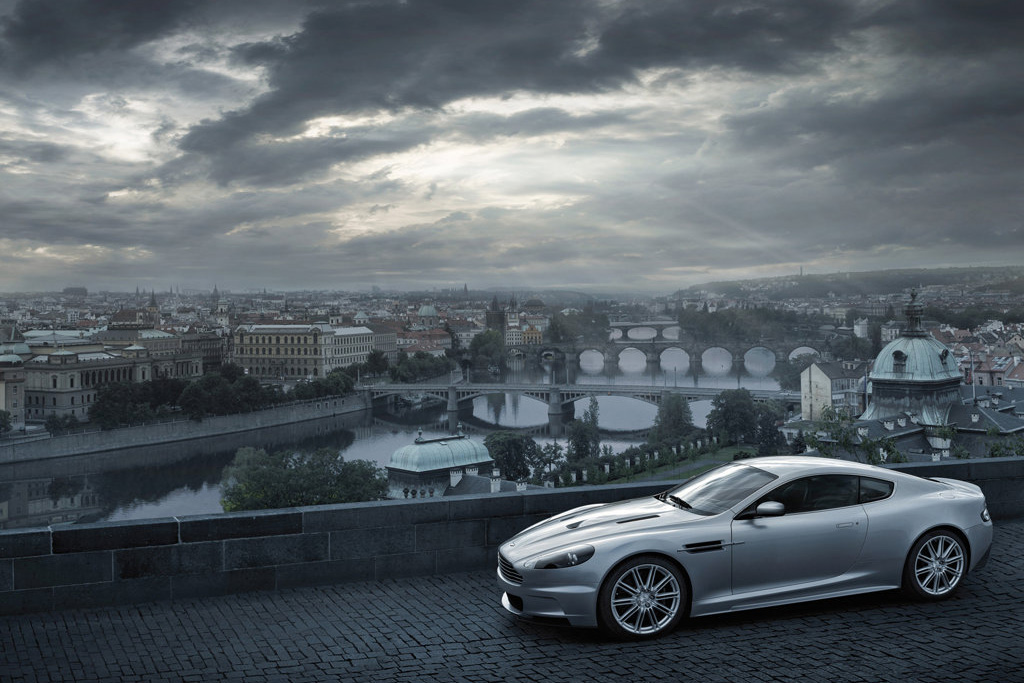 Aston Martin DBS
 Aston Martin DBS
 Aston Martin DB9
 Aston Martin DB9
 Aston Martin DB9
 Aston Martin DB9
 Aston Martin DB9
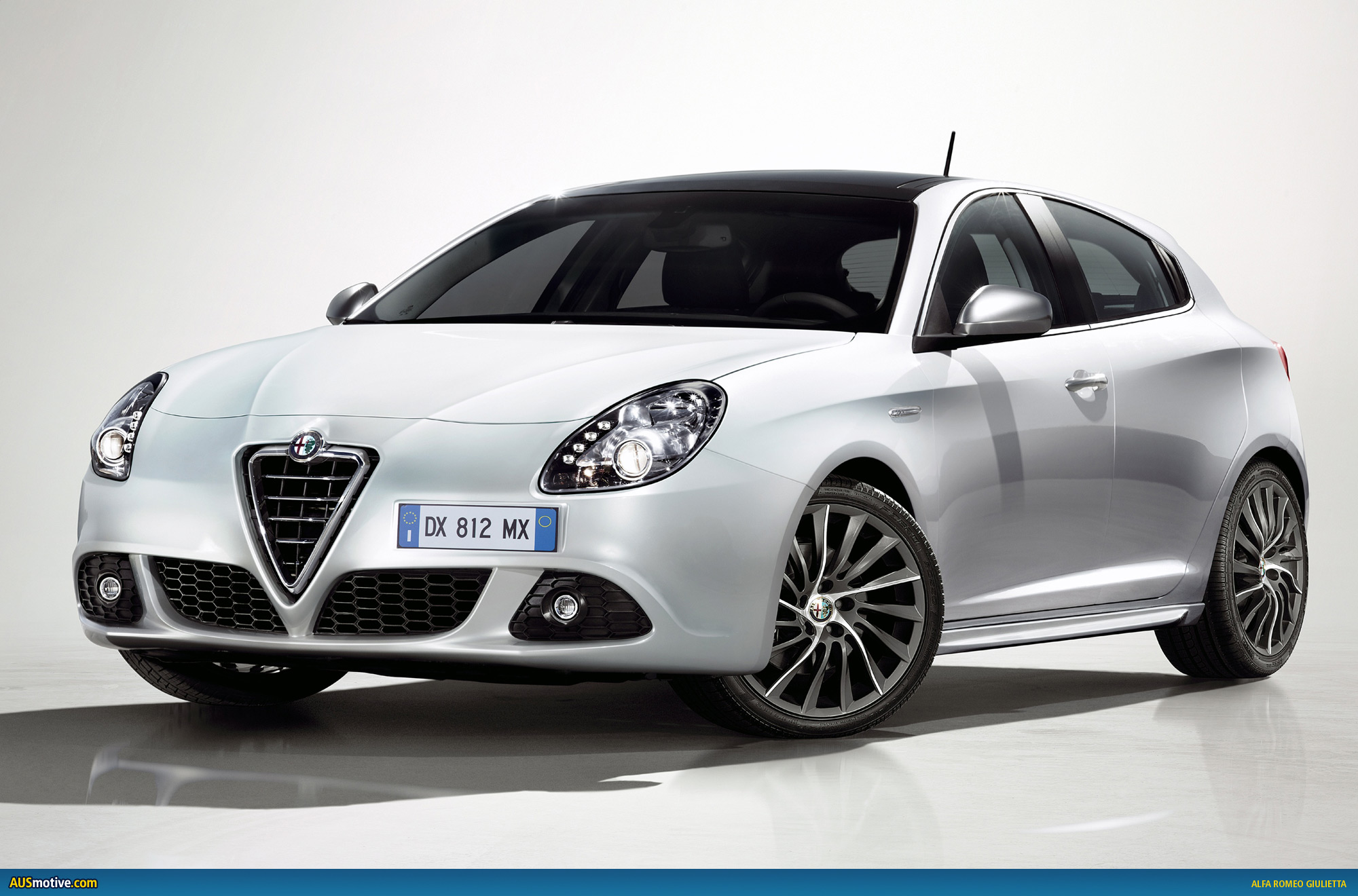 Alfa Romeo Giulietta
 Alfa Romeo Giulietta
 Alfa Romeo Giulietta
 Alfa Romeo Giulietta
